Decoding the QR Code: More Than Just a Picture
By Sloan Vargas on 2025-08-05
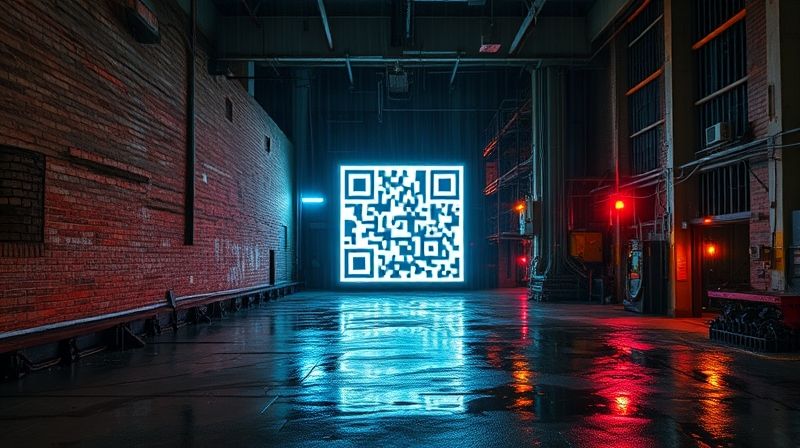
For years, the barcode – a series of vertical lines representing numeric data – has reigned supreme in the world of retail and inventory management. But a new challenger has emerged, rapidly gaining popularity and fundamentally changing how consumers interact with information and brands. That challenger is the QR code, or Quick Response code. Often dismissed as simply a picture, QR codes are surprisingly sophisticated data storage and transmission mechanisms, offering capabilities far beyond a basic scannable image. At ScanWise, we’re dedicated to demystifying barcode symbologies, and understanding the inner workings of the QR code is crucial in today's digital landscape.
What is a QR Code?
The QR code, developed in Japan in 1994 by Denso Wave, stands for “Quick Response.” It’s designed to be scanned quickly and easily, even in challenging conditions such as poor lighting or at odd angles. Unlike a traditional barcode that represents a single numerical value, a QR code can store significantly more information – up to 4,000 alphanumeric characters. This ability stems from its unique design and encoding method.
- Error Correction: QR codes incorporate Reed-Solomon error correction, a powerful technique that allows them to be read even if parts of the code are damaged or obscured. There are four levels of error correction, ranging from L (Low) to H (High), each offering a different level of redundancy. Higher error correction levels make the code more resilient but also increase its size.
- Data Encoding: The data is encoded using Reed-Solomon, but the specific arrangement of black and white modules (the squares) represents more than just data. It includes patterns that allow the scanner to quickly determine the size of the code, the data mode (numeric, alphanumeric, or kanji), and the error correction level.
- Versioning: QR codes come in different versions, designated by numbers 1 through 4. Larger versions can store more data and use more complex encoding schemes. Version 1 is the smallest and most basic, while Version 4 can hold the most data and support more sophisticated error correction.
How Do QR Codes Work?
The scanning process is remarkably efficient. When a QR code is scanned with a smartphone or tablet camera (or a dedicated QR code reader), the device’s camera captures an image of the code. The scanner then performs several steps:
- Grid Detection: The scanner identifies the grid pattern within the QR code.
- Finder Patterns: Three large, square finder patterns at the corners of the code help the scanner locate and orient itself.
- Data Extraction: The scanner extracts the data encoded within the modules, using the finder patterns and error correction information to identify the data mode and correct any errors.
- URL Construction: In many cases, the extracted data is used to construct a URL, which is then opened in the user’s web browser.
Uses of QR Codes
QR codes’ versatility has led to a wide range of applications:
- Marketing & Advertising: Brands utilize QR codes to drive traffic to websites, promote special offers, and engage consumers with interactive content.
- Payment Systems: QR codes are increasingly used for mobile payments, allowing users to scan a code to initiate a transaction.
- Event Ticketing: QR codes are used to provide access to events, often replacing traditional paper tickets.
- Product Information: QR codes on product packaging can provide detailed information, such as ingredients, nutritional facts, and usage instructions.
- Logistics & Tracking: QR codes are utilized in supply chain management for tracking goods and verifying authenticity.
At ScanWise, we constantly monitor advancements in barcode and QR code technology. As QR codes continue to evolve with features like dynamic QR codes (which can be updated remotely) and integration with augmented reality, understanding their capabilities is more important than ever. Don't just see the picture; understand the power behind the QR code. Explore our comprehensive database of barcode symbologies to unlock deeper insights into the world of data encoding and identification.